
How to Effectively Combat Climate Change: 7 Actionable Steps You Can Take
The Power of Renewable Energy: How to Start at Home

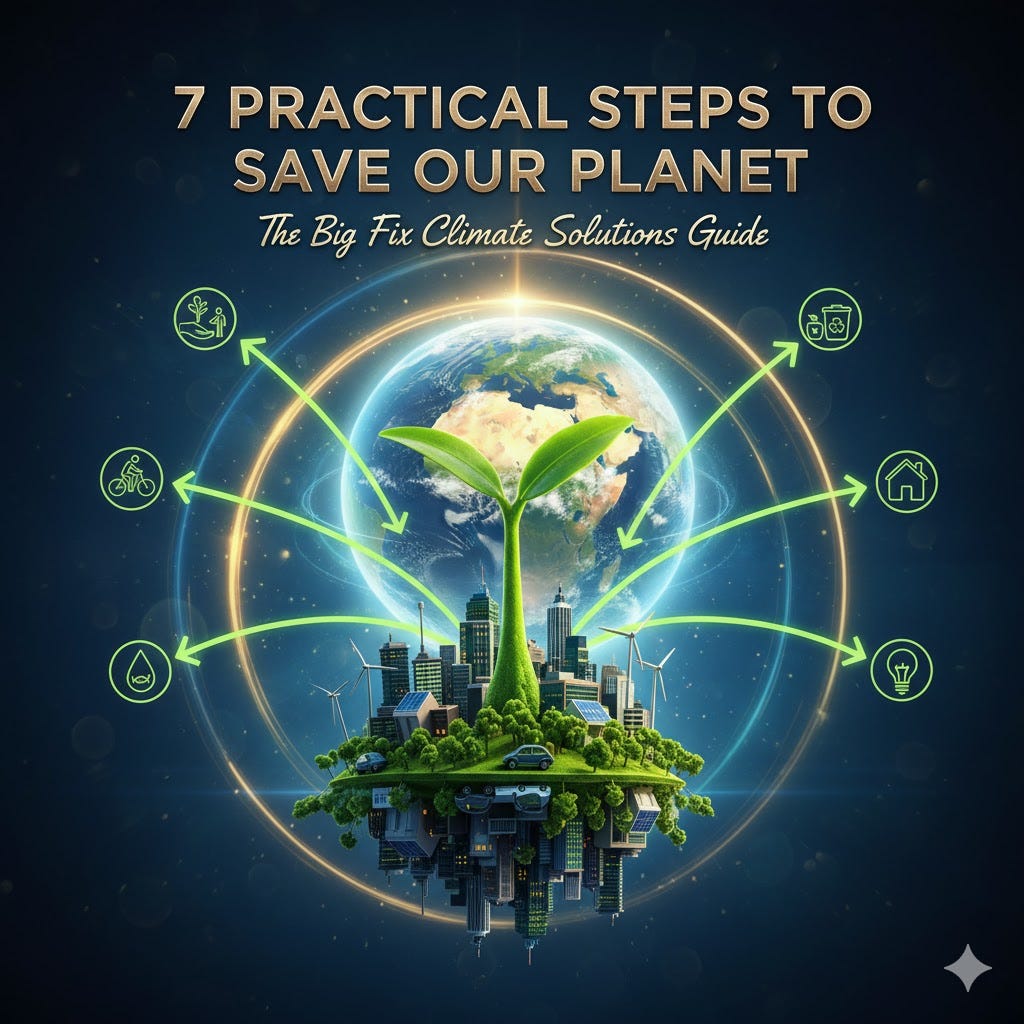
Okay, so here’s the thing and I’m gonna be brutally honest here because, frankly, we don’t have time for corporate-speak anymore climate change isn’t some distant, sci-fi problem happening to other people in other countries. It’s literally happening right now. Like, as you’re reading this, scrolling on your phone instead of, you know, actually doing something about it. (No judgment. I’m literally the same way.)
But here’s what gets me: everyone acts like fixing the planet requires becoming some off-grid, solar-panel-wearing monk who only eats locally-sourced kale. And that’s... not it. Not even close.
The truth? Practical climate solutions don’t have to be complicated. They don’t require you to sell your house or move to a commune. They’re just... actionable stuff. Real things. Things that actually work and won’t make you want to throw your laptop out the window.
So I figured, why not break it down? Seven solid, no-nonsense steps that you yes, you can actually do to help reduce your carbon footprint and contribute to genuine environmental action. No guilt trips. No performative activism. Just the real deal.
Let’s go.
Step 1: Switch to Renewable Energy at Home (Or at Least Try)
Look, I know what you’re thinking: “Solar panels cost like... a million dollars.” Fair. But here’s the thing and this is where I sound like I’m trying to sell you something, but I’m genuinely not the cost of renewable energy has dropped like crazy in the last five years.
If you own your home and you’re serious about reducing carbon emissions, check if your area has solar incentives or tax credits. (The U.S. federal tax credit is still pretty substantial, just saying.) If you’re renting? Yeah, that sucks. But you can still push your landlord or switch to a utility company that sources power from renewable energy. Some companies literally let you offset your energy use.
And here’s the kicker renewable energy adoption isn’t just good for the planet. It’s good for your wallet. Lower energy bills? That’s... that’s the move.
Fast forward six months: You’re not checking your power bill with dread anymore. Little win.
Step 2: Actually Think About What You’re Eating (Sustainable Food Choices)
Okay, I’m not gonna tell you to become vegan. That’s not my lane. But here’s what nobody talks about: food sustainability and sustainable diet choices are genuinely one of the biggest climate levers we have. And I mean massive.
Livestock farming especially beef production has a ridiculous carbon footprint. Like, it’s one of the top contributors to greenhouse gas emissions. Not to minimize it or anything, but it’s basically factories of methane and environmental damage. Jeez.
Here’s what actually works: You don’t have to go full plant-based. Just... eat less meat? Maybe swap out three or four meals a week for plant-based options? Or source your meat from local, regenerative farms that actually give a crap about the soil and the environment? Those farmers exist. They’re out there.
Also and this is the part people forget reducing food waste is massive. Like, genuinely massive. We throw away almost a third of the food we produce. That’s not just wasteful; it’s actively contributing to climate breakdown. So... plan your meals, buy what you’ll actually eat, and compost the scraps if you can.
I know, I know. It sounds like extra work. But once you get into the rhythm of it? It becomes second nature. Plus, meal planning is lowkey therapeutic when you’re procrastinating on actual responsibilities.
Step 3: Rethink Transportation (Low-Carbon Transportation Alternatives)
Ugh, this one hits different because I live in a city where traffic is... let’s just say “not ideal.”
Here’s the reality: carbon emissions from transportation are out of control. Cars, planes, ships they’re basically running on fossilized dinosaurs and slowly choking the planet. Cool, right? (It’s not cool.)
But listen you don’t have to give up your car tomorrow. Start small. Could you bike or take public transit once or twice a week? Could you carpool? Could you combine errands instead of making five separate trips? These aren’t revolutionary ideas, but they work.
If you’re in the market for a new car, go electric. I’m serious. Electric vehicles have come a long way, and the charging infrastructure is actually getting decent. Yes, they’re pricier upfront. But the long-term savings on fuel and maintenance? It’s actually wild.
And if flying is non-negotiable for you (which, honestly, same) try to limit it. Maybe one big trip a year instead of four? And hey, carbon offsetting programs exist if you want to neutralize your flight emissions. Are they perfect? No. But they’re better than pretending the problem doesn’t exist.
Step 4: Become the Annoying Person Who Actually Reduces Plastic Waste
So I’m gonna say something controversial: recycling alone isn’t gonna save us. I know, I know. We’ve been sold this narrative that if we just recycle, we’re heroes. Spoiler alert: we’re not.
Here’s the thing about plastic pollution and plastic waste reduction most plastic doesn’t actually get recycled. It gets shipped overseas or buried in landfills or ends up in the ocean where fish think it’s food. Dude, seriously. It’s depressing.
The real move? Stop generating so much plastic in the first place. Revolutionary, I know.
Get a reusable water bottle. (Hydro Flask, Stanley, whatever just pick one and stick with it.) Bring bags to the grocery store. Skip the single-use plastics when you can. Buy in bulk from stores that let you bring your own containers. Yeah, it sounds like I’m describing being that person at the farmer’s market, and I am but that person is also not slowly poisoning the planet, so...
Also, check what’s actually recyclable in your area. Most of us are doing it wrong, contaminating entire batches of recyclable material because we don’t know what goes where. Educate yourself. Seriously. It takes five minutes and it matters.
Pro tip: When you buy things, ask yourself: “Do I need this? Can I buy it without plastic? Will I actually use it?” That last question is key. We’re drowning in stuff nobody uses.
Step 5: Push for Climate Action in Your Community (Yes, You Can)
Okay, this is gonna sound wild, but your local government? They actually listen when enough people show up and make noise. I know, I know politicians are the worst. But stay with me.
Community climate initiatives and local environmental policy are where real change happens. Not on Twitter. Not in your head while you’re staring at your laptop at 2 AM. In actual, physical spaces where decisions get made.
Show up to city council meetings. Vote for politicians who actually care about the climate crisis. Join local environmental groups. (They exist. Google it.) Push your city to invest in green infrastructure, public transit, and renewable energy. Be that person who emails their representative. (Embarrassing? Maybe. Effective? Absolutely.)
Here’s what most people don’t realize: municipal governments are way more responsive to citizen pressure than federal governments. Your local mayor cares about public opinion in a way Congress doesn’t. So... use that.
And if you work for a company? Push them toward sustainable business practices. Request that they measure their carbon footprint. Suggest renewable energy. Make it awkward. Make it impossible to ignore.
Step 6: Support Green Technology and Clean Energy Innovation
Look, I’m not saying you need to donate your entire paycheck to climate nonprofits. (Though honestly? The planet would appreciate it.)
But when you’re making purchasing decisions and I mean any purchasing decisions think about the impact. Support companies that are actually trying to reduce environmental impact. Vote with your money. It’s literally the only vote that matters in late-stage capitalism, so... might as well use it.
Invest in green technology if you can. Put money in sustainable companies. Buy from businesses that use renewable energy. Support entrepreneurs working on climate solutions and environmental technology. Even small purchases add up. Markets respond to demand, and if demand shifts toward sustainable products, companies will follow.
Also and this is important call out corporate greenwashing when you see it. Companies love slapping “eco-friendly” on stuff that’s actually terrible for the environment. Don’t fall for it. Do your research. Read the fine print. Be skeptical.
Step 7: Just... Talk About It (Climate Awareness and Education)
And here’s the final step, which sounds basic but is genuinely overlooked:
Spread climate awareness. Talk about climate change. Seriously. Stop being awkward about it.
I probably shouldn’t say this, but... most people aren’t taking climate action because they’re not informed. They don’t understand the urgency. They don’t know what they can do. And honestly? That’s on us the people who do understand to fix.
Share information. Have conversations. Don’t be preachy or annoying, but don’t be silent either. Post about it. Write about it. Make content about it. Get your friends and family talking about sustainable living practices and environmental responsibility.
Culture shifts when conversations shift. And conversations shift when people like you start having them.
Plus, here’s the thing: people respond to other people, not institutions. When your friend goes vegan, you suddenly think about it. When your coworker bikes to work, you suddenly notice. When someone you respect cares about something, you care too. That’s just how humans work.
So... be that person. Be the one who brings it up. Be the one who makes it normal to talk about our collapsing climate like it’s actually important. Because it is.
The Big Picture: Why Planetary Health Matters Right Now
Okay, so I’ve dumped a lot on you. Let me zoom out for a second.
Climate change isn’t hypothetical anymore. We’re living through it. Extreme weather, wildfires, flooding, droughts it’s not coming. It’s here. And the window to do something meaningful is... well, it’s closing fast. Like, uncomfortably fast.
But here’s what keeps me sane: individual action matters. Not because it “cancels out” systemic problems (it doesn’t), but because it creates momentum. It shifts culture. It makes solutions normal. It demands that companies and governments follow.
The seven steps I just laid out? They’re not gonna single-handedly save the planet. But they’re real. They’re actionable. They’re things you can do today without completely upending your life.
Start with one. Just one. Pick whichever feels most doable for you and actually commit to it. Then, once that becomes part of your routine, add another. Build from there.
And yeah, it’s a lot. Yeah, it’s frustrating that individual action feels necessary when really, we need massive systemic change and corporate accountability and government policy overhaul. (Insert long sigh here.) I get it. I really do.
But this is what we have. This is what we can control. So... let’s actually do it, yeah?
The planet and future versions of ourselves will be grateful.
Because honestly? We don’t have time to wait for someone else to fix this. We’re it. We’re the ones we’ve been waiting for, as cliché as that sounds.